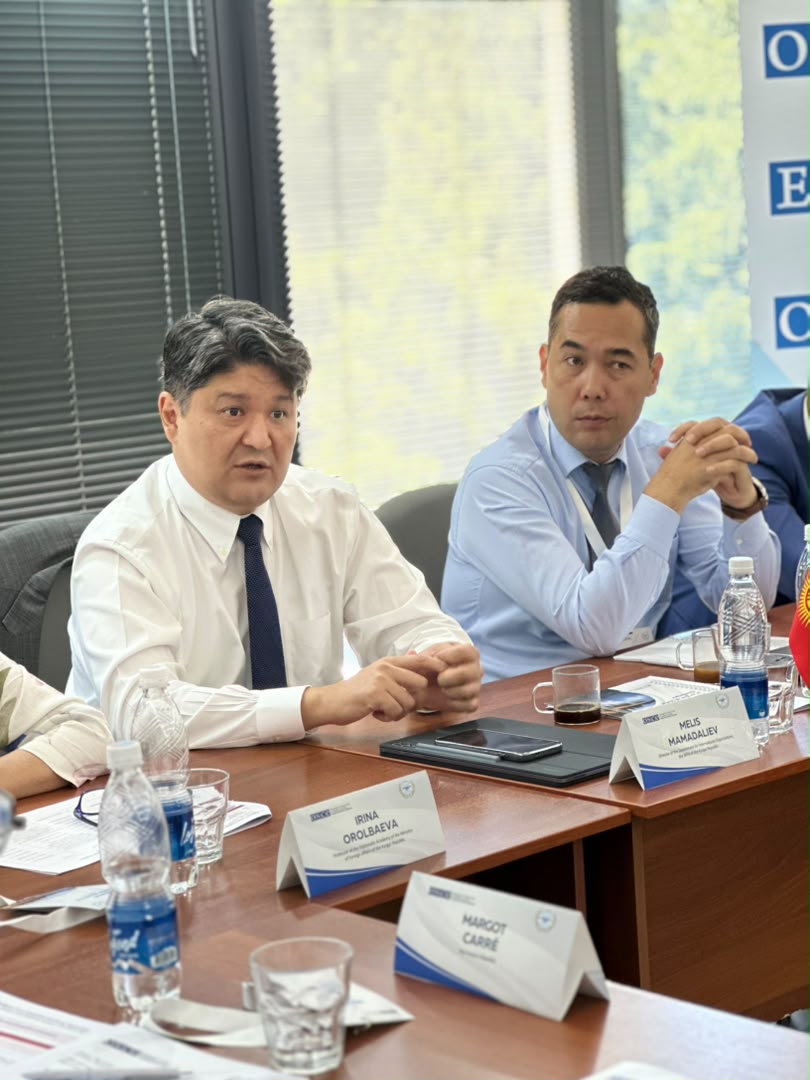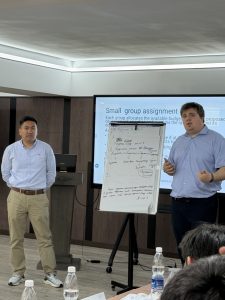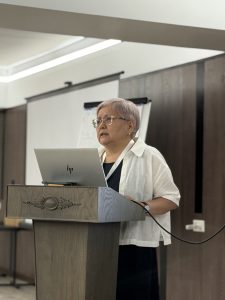

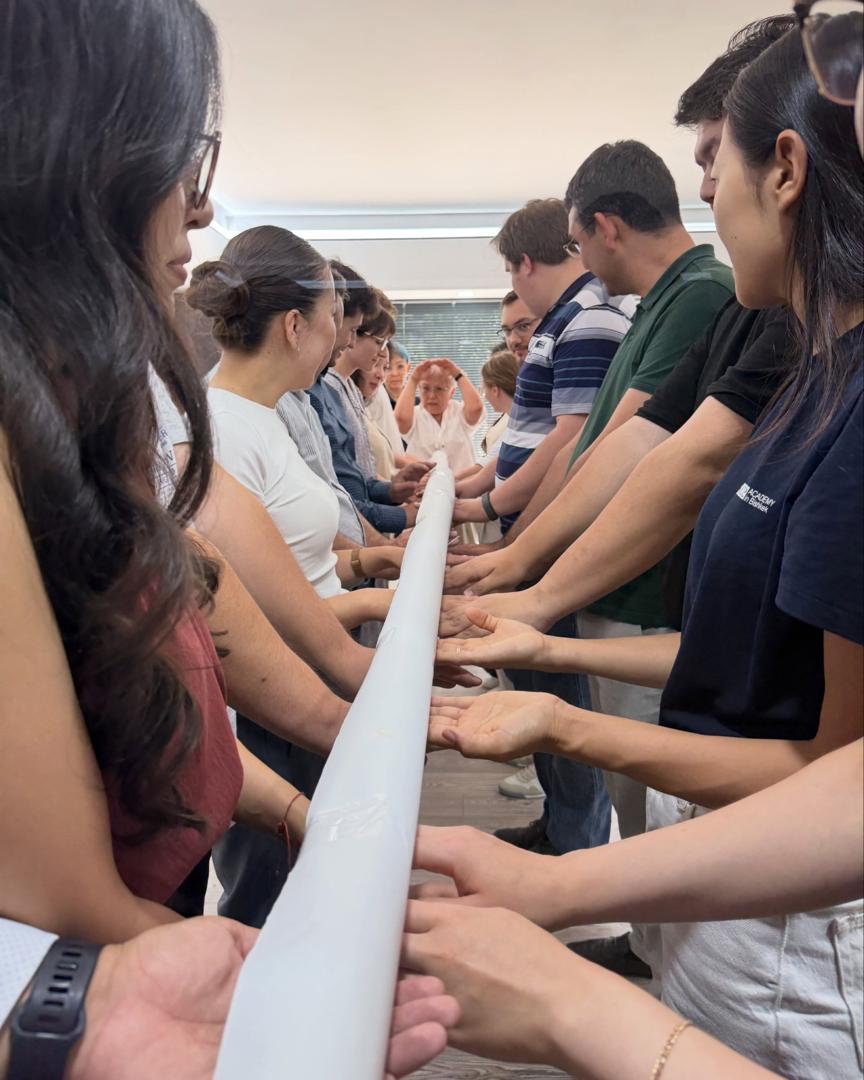
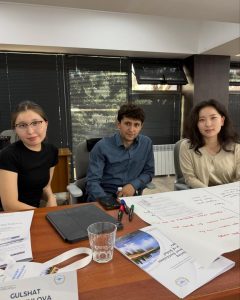
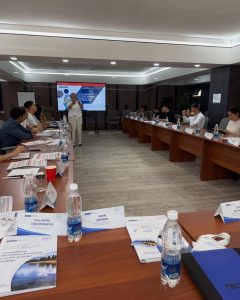
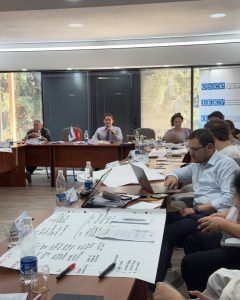
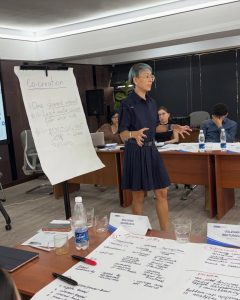
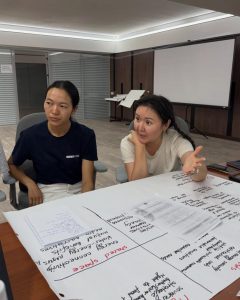
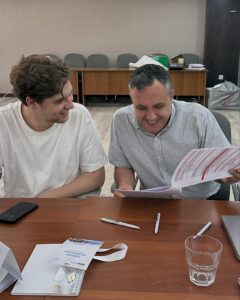
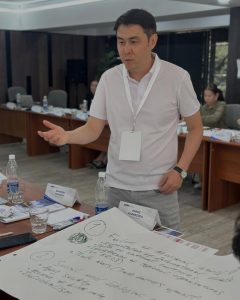
The working program of the fourth day was devoted to the transformation of the modern system of international relations, new requirements for diplomatic communication, and the development of practical skills in negotiation and joint decision-making.
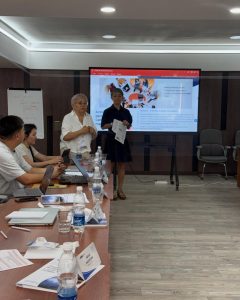
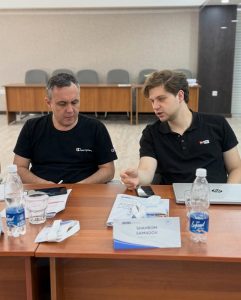
The first session, "A Paradigm Shift in International Relations: From Neoliberalism to a Pluralistic World Order," was conducted by Emir Kulov, PhD, an independent researcher.
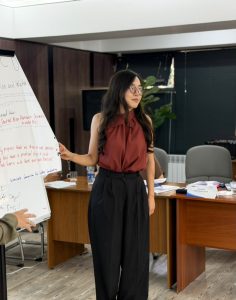
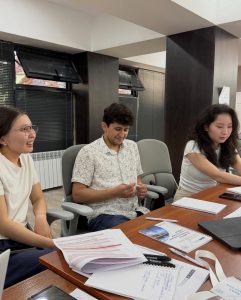
In the afternoon, a session was held titled "Communication in a Divided World: How a Young Diplomat Can Manage Perceptions, Trust, and Reputational Risks."
The lecturer was Zhyldyz Kuvatova, Associate Professor at the Faculty of Journalism and Mass Communications at the American University of Central Asia.


Month: July 2026
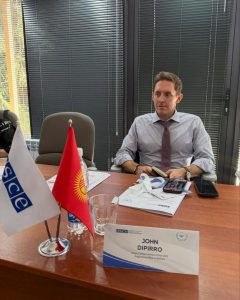
On July 29, 2026, the work of the 10th International Summer School for Young Diplomats on the theme "Strengthening Multilateral Institutions in the Era of Global Challenges" continued. The school is organized by the K. Dikambaev Diplomatic Academy of the Ministry of Foreign Affairs of the Kyrgyz Republic together with the OSCE Programme Office in Bishkek.
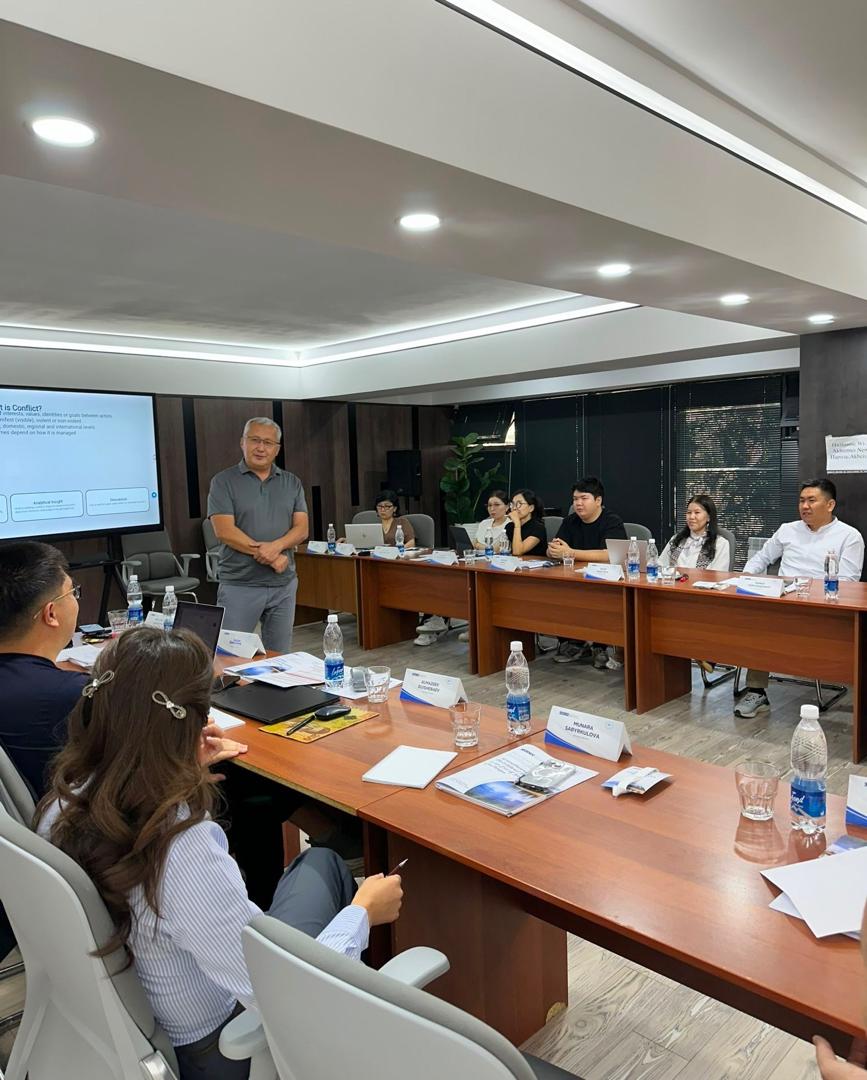
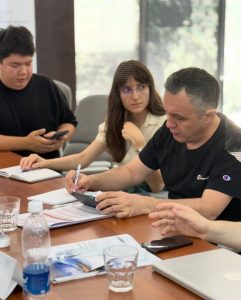
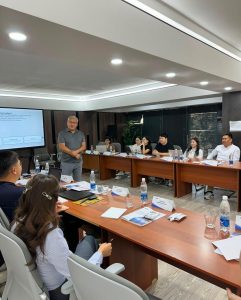
The central educational event of the third day was the session "Conflicts and Resilience in the Silk Road Space: The Role of Multilateral Institutions in Crisis Prevention and Confidence-Building."
The lecture was delivered by Medet Temirovich Tulegenov, Head of Research Projects and Head of the Silk Road Research Center at Ala-Too International University.
The session's theme was devoted to contemporary security challenges in the Silk Road space, issues of conflict prevention and peaceful settlement, strengthening the resilience of states and societies, as well as the role of international and regional institutions in preventing crises. Particular attention was paid to the importance of multilateral dialogue, preventive diplomacy, and confidence-building measures amid the growing interdependence of states.
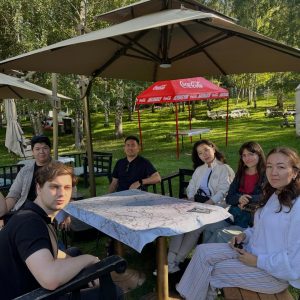
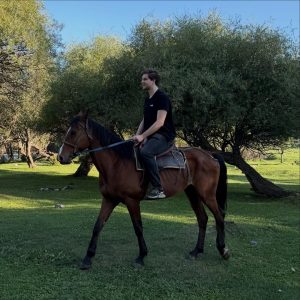
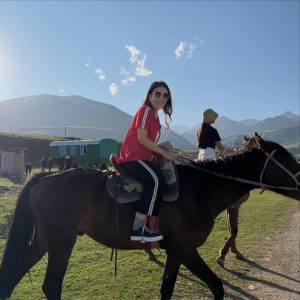
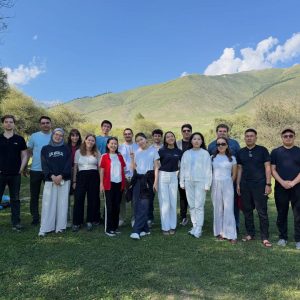
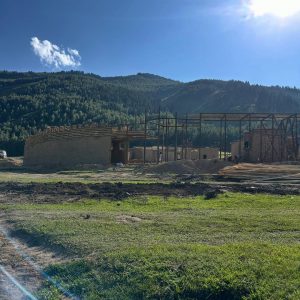
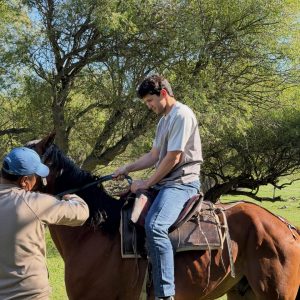
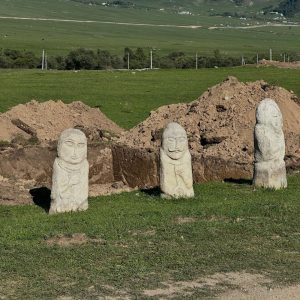
In the afternoon, a cultural and educational excursion was organized for the Summer School participants to the Kyrchyn tract, located in the Semyonovskoye Gorge of the Issyk-Kul Region. The choice of this route was particularly significant: during the 6th World Nomad Games, Kyrchyn will become the main center of the cultural program, where a large-scale ethnographic village is planned to be built, showcasing the traditions, way of life, and cultural heritage of nomadic peoples.
For the young diplomats, the visit to Kyrchyn was not only an opportunity to experience the unique nature of Kyrgyzstan, but also a vivid example of how national culture, historical heritage, and international cultural events can serve as effective tools of cultural and public diplomacy, helping to strengthen a state's international image and foster intercultural dialogue and mutual understanding among nations.




X International Summer School for Young Diplomats on Issyk-Kul: From the Opening Ceremony to Discussions on AI and Central Asian Economy